


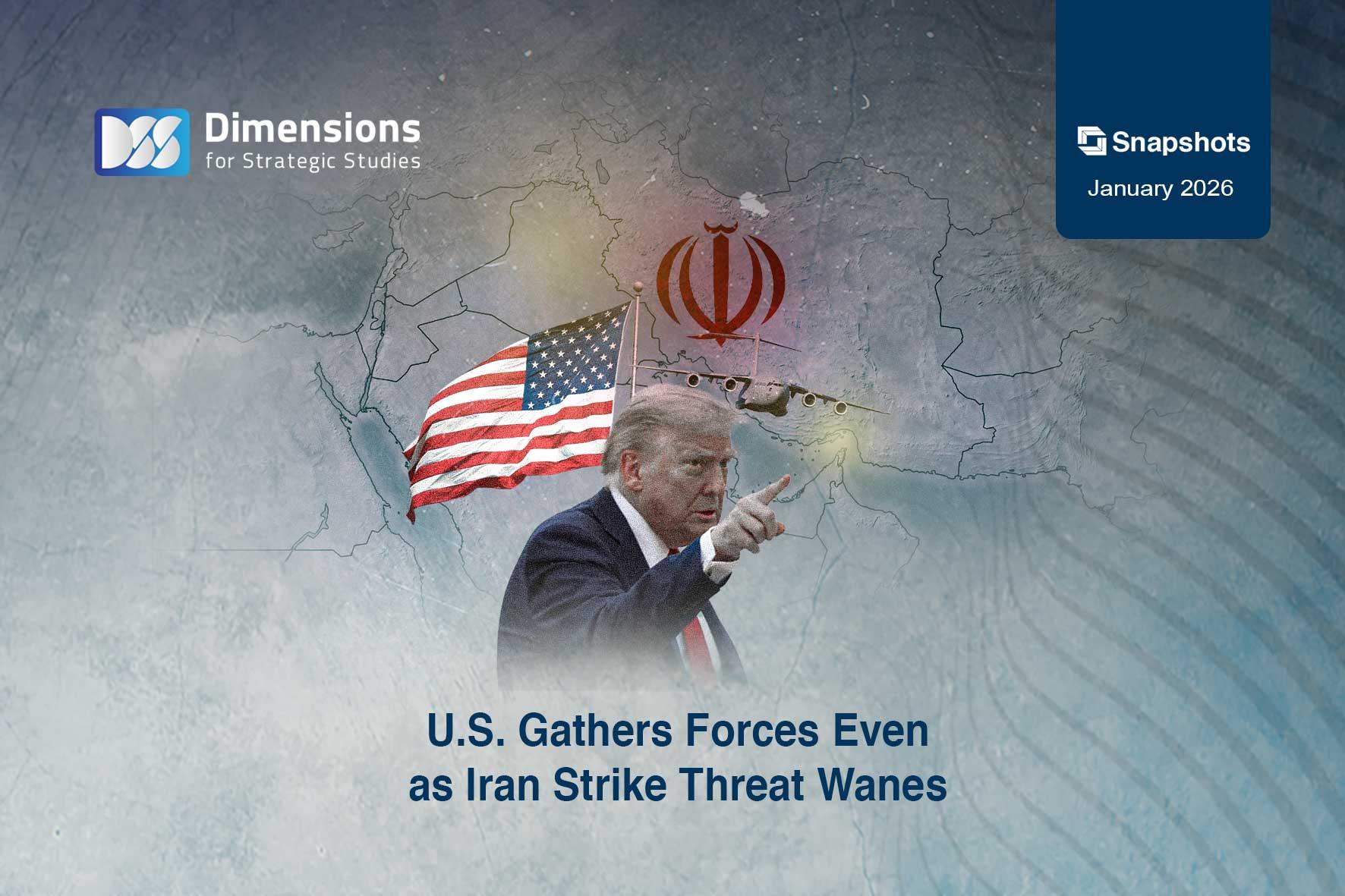
U.S. Gathers Forces Even as Iran Strike Threat Wanes
2026-01-196227 view
The U.S. military amassed a formidable military presence in the Gulf amid weeks of speculation over an American strike against Iran following a deadly crackdown on anti-government protests. Aircraft carrier USS Abraham Lincoln headed for the region on January 17, and there are reports that she is to be joined by USS George H.W. Bush.
This comes despite President Donald Trump having softened his rhetoric toward Tehran after earlier threats of a swift and decisive strike.
Trump justified his about-turn by saying that the Iranian authorities had informed him, through intermediaries, that they had suspended planned executions of protestors. Yet Trump was clearly using the Iranian crackdown as a pretext to escalate pressure on Tehran; the protests themselves were always a side show in his calculations.
The suspension of the strike—for now—appears to have resulted from regional mediation efforts by parties opposed to a new escalation in the region. Trump seems to have accepted these efforts, as they provided him with channels for exchanging messages with Tehran in the hope of reviving negotiations, this time with Iran firmly on the back foot.
Trump likely seeks to change the behavior of the Iranian regime, given the lack of a readily available alternative and the fact that the U.S. president’s traditional allies in the Middle East—with the exception of Israel—are opposed to any move that could lead to further regional turmoil.
By applying pressure through the threat of military strikes and increased economic hardship, Trump could be seeking a new agreement that would guarantee the freezing of Iran’s nuclear program and the elimination of its uranium stockpile, as well as getting rid of its long-range missiles, which pose a threat to the security of Israel and strategic American bases in the region. Washington also wants to cut off the support Tehran sends to its allies in Iraq and Yemen, who pose a threat to American interests and international shipping lanes.
In summary, the Trump administration favors gradual efforts to change Iran’s policies and perhaps shift its behavior from hostility to cooperation, while reducing its economic ties with China. This would be an achievement for the U.S. president, who is keen on adding such accomplishments to his personal record. However, such a significant shift would likely require not only changes to current Iranian policy, but rather a structural change to the regime.